
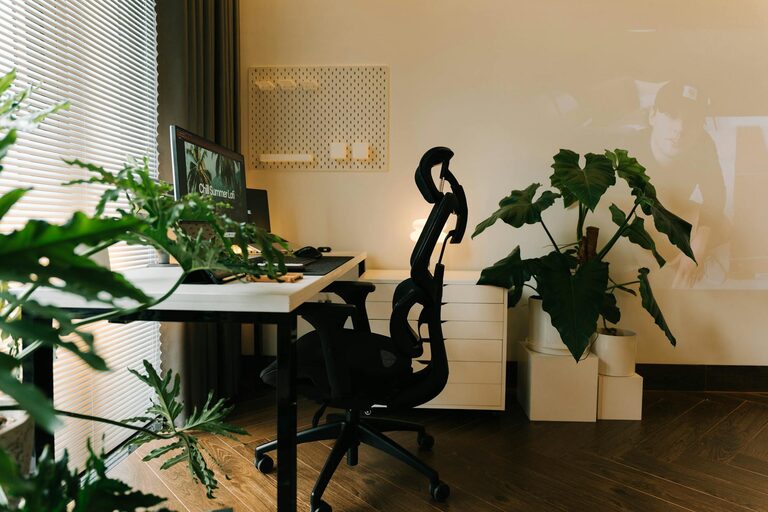
Creating a home office space that feels cosy and inviting is essential for anyone working from home. A well-designed office can not only improve your productivity but also make your workday more enjoyable and less stressful. Whether you have a dedicated room or just a small corner, there are plenty of ways to transform your space into a comfortable, inspiring work area. Here are some practical tips to get you started.
Choose the Right Location
Natural Light Matters
If possible, select a spot near a window to benefit from natural daylight. Natural light can boost your mood, reduce eye strain, and keep you energised throughout the day. Try to position your desk so you get the light from the side, preventing glare on your computer screen.
Consider Quiet and Privacy
Choose an area away from high-traffic parts of your home to minimise distractions. If privacy is limited, consider using room dividers or screens to create a sense of separation and calm.
Invest in Comfortable Furniture
Ergonomic Chair
An ergonomic chair is a must-have for a home office. It supports your posture and reduces the risk of discomfort or back pain during long working hours. Look for chairs with adjustable height, lumbar support, and comfortable padding.
Functional Desk
Choose a desk that fits your space and work needs. Whether it’s a compact writing table or a larger workstation, make sure it offers enough surface area for your computer, notebook, and other essentials without feeling cramped.
Create a Warm and Inviting Atmosphere
Soft Textiles
Adding soft textiles like a rug, cushions, or a throw blanket can make the space feel more comfortable and homely. Choose fabrics with warm textures and subtle patterns to add depth without overwhelming the room.
Pleasant Colour Scheme
Opt for calming colours like soft blues, greens, or neutrals that promote focus and relaxation. You might also consider accent colours via accessories that make the space feel personal and uplifting.
Lighting Layers
Besides natural light, include layered lighting such as a desk lamp and ambient lighting. Adjustable lighting allows you to set the right mood depending on the time of day or task.
Keep Your Workspace Organised
Declutter Regularly
A tidy workspace helps clear your mind and enhances concentration. Make it a habit to clear away papers and unnecessary items daily.
Storage Solutions
Use shelves, drawers, and organisers to keep supplies within reach but out of sight. Think about vertical storage like wall-mounted shelves if space is limited.
Cable Management
Tidy cables prevent a cluttered look and reduce hazards. Use cable clips, sleeves, or boxes to keep wires neat and orderly.
Personalise Your Space
Add Greenery
Plants not only add a splash of colour but are also known to improve air quality and reduce stress. Choose low-maintenance options like succulents or peace lilies if you’re worried about care.
Display Personal Items
Photos, artwork, or inspirational quotes can provide motivation and comfort. Just be careful not to overcrowd your walls or surfaces.
Pay Attention to Acoustics
Soft Furnishings
Carpets, curtains, and cushions help absorb sound and reduce echo, which can be particularly useful if you have an open-plan home or noisy surroundings.
Noise-Cancelling Options
Consider headphones or white noise machines if you need extra help blocking distractions.
Maintain a Healthy Work-Life Balance
Separate Work From Leisure
Try to make a clear distinction between your office and relaxation areas. When your workday is done, step away from your workspace to mentally switch off.
Schedule Breaks
Regular breaks are essential for wellbeing and productivity. Use a timer or app to remind yourself to stand up, stretch, and relax your eyes.
Conclusion
Designing a cosy and inviting home office doesn’t have to be complicated. By focusing on comfort, lighting, organisation, and personal touches, you can create a space that feels welcoming and helps you do your best work. Remember, your home office should reflect your needs and style, making every day a little brighter and more productive.