
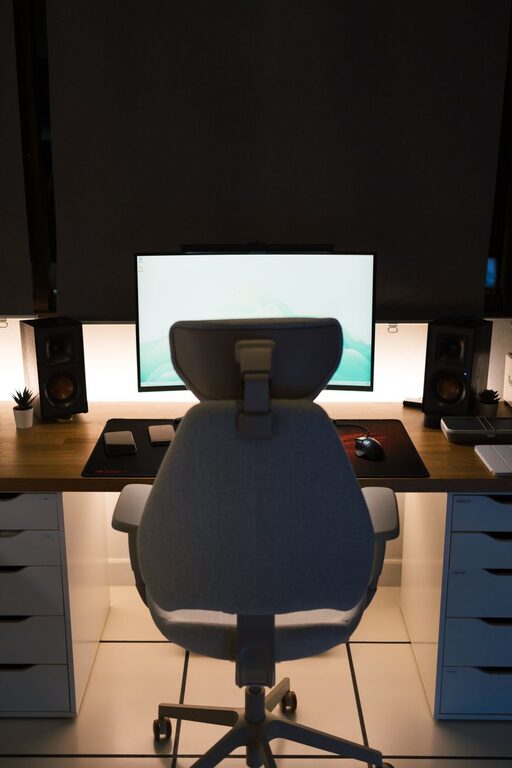
Creating a home office that balances relaxation and productivity can significantly improve your work-from-home experience. Whether you’re a freelancer, remote employee, or running your own business, a well-designed workspace can help you stay focused and motivated while reducing stress. Here are some practical tips to create a home office environment that supports your best work and wellbeing.
Choose the Right Location
Find a Quiet Space
Select a spot in your home away from noise and distractions. Ideally, use a separate room with a door you can close to help maintain boundary between work and home life.
Consider Natural Light
Position your desk near a window if possible. Natural light boosts mood and energy, which contributes to both relaxation and productivity. Avoid placing your screen directly opposite the window to reduce glare.
Invest in Comfortable, Ergonomic Furniture
Chair and Desk
Choose a chair with good lumbar support to prevent back pain. An adjustable desk, especially a sit-stand option, can improve comfort and reduce fatigue.
Monitor and Keyboard Setup
Arrange your monitor at eye level to avoid neck strain. Use an ergonomic keyboard and mouse to support healthy hand and wrist positions.
Keep Your Workspace Organised
Declutter Daily
A tidy desk helps clear your mind. Spend a few minutes at the end of each day putting things away.
Use Storage Solutions
Invest in shelves, drawers, or filing cabinets to store documents and office supplies. Label boxes and folders to easily find what you need.
Incorporate Calming Elements
Colours and Decor
Choose soft, neutral colours for your walls and furnishings to create a serene atmosphere. Add artwork or plants that make you feel calm and inspired.
Indoor Plants
Plants improve air quality and reduce stress. Try low-maintenance options like snake plants or succulents.
Manage Noise and Distractions
Soundproofing Tips
Use rugs, curtains, or acoustic panels to minimise echoes and external noise. White noise machines or background music can also help maintain focus.
Set Boundaries
Communicate your working hours with household members to reduce interruptions. Consider using a ‘do not disturb’ sign when you need undisturbed work time.
Lighting for Comfort and Efficiency
Task Lighting
Use adjustable desk lamps with soft white bulbs to reduce eye strain during focused tasks.
Avoid Harsh Overhead Lighting
Dim or replace fluorescent bulbs with warmer alternatives. Consider smart lighting systems that adjust brightness throughout the day.
Incorporate Break and Relaxation Areas
Separate Zones
If space allows, create an area to take short breaks away from your desk. A comfy chair or yoga mat encourages movement and relaxation.
Mindfulness and Movement
Use breaks to stretch, meditate, or simply breathe deeply. These habits reduce stress and refresh your mind for better productivity.
Technology for Smooth Workflow
Reliable Equipment
Invest in a good-quality computer, fast internet, and essential peripherals to avoid frustration.
Cable Management
Use clips, ties, or tubing to keep cables organised and out of sight, maintaining a neat and safe workspace.
Personalise Your Space
Motivational Items
Display quotes, photos, or objects that inspire you.
Fragrance and Air Quality
Consider a subtle diffuser with calming scents like lavender or eucalyptus to boost relaxation.
Establish a Routine
Set Working Hours
Keep consistent start and finish times to create structure.
Break Regularly
Incorporate short breaks to avoid burnout and maintain concentration.
—
By applying these tips, you can transform any part of your home into an inviting, functional office. A space that feels peaceful yet energising helps you work efficiently while supporting your wellbeing. Remember, small changes can make a big difference in how you feel and perform in your home office.