
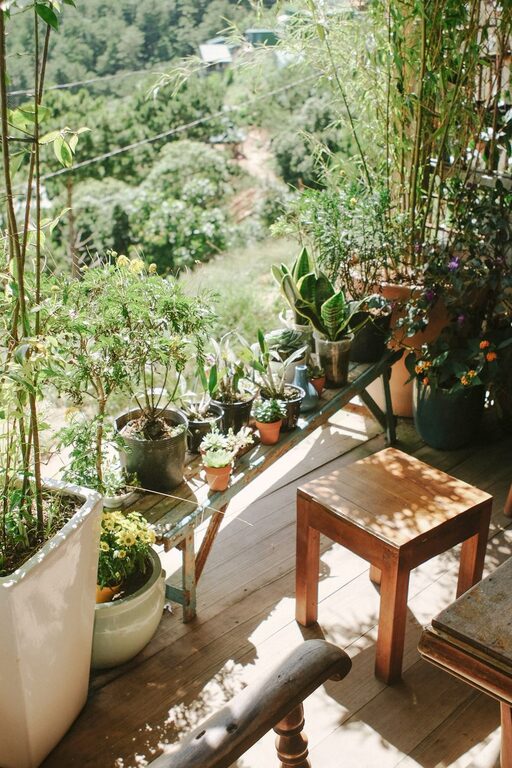
Creating a relaxing garden space at home is a wonderful way to enjoy nature, unwind, and recharge your mind and body. Whether you have a large backyard or a small balcony, designing a tranquil outdoor area can transform the way you experience your living environment.
In this post, we’ll explore practical tips to help you create a peaceful garden space that feels inviting and calming.
Choose a Quiet Spot
Selecting the right location is the first step towards a relaxing garden. Ideally, find a corner or area of your garden that is sheltered from noise, busy streets, or heavy foot traffic. This will help ensure your garden remains a private retreat.
If you don’t have a large outdoor space, consider a balcony, patio, or even a window ledge with potted plants to create a similar sense of calm.
Use Comfortable Seating
Comfortable seating is key to enjoying your garden space. Choose chairs, benches, or loungers that provide good support and encourage relaxation. Adding cushions or throws makes the area cozier.
If space allows, consider a hammock or swing chair for a gentle rocking motion, which can be especially soothing.
Incorporate Soothing Colours and Materials
Colours and materials influence mood. Soft, natural tones like greens, blues, and earth colours help create a calming atmosphere. Use natural materials such as wood, stone, or wicker in your furniture and accessories to enhance the peaceful vibe.
Avoid overly bright or harsh colours, which can be stimulating rather than relaxing.
Select Plants That Promote Calmness
Plants are the heart of any garden. Choose varieties that are easy to care for and evoke a sense of tranquility. Here are some great options:
– Lavender: Known for its calming scent and pretty purple flowers.
– Jasmine: Sweet-smelling flowers that release fragrance especially in the evening.
– Ferns: Add lush greenery and thrive in shaded spots.
– Succulents: Low maintenance plants with a modern look.
– Herbs like mint or chamomile: Offer fragrance and can be used in teas.
Grouping plants together creates a lush, peaceful environment. Remember to consider sunlight and water requirements for each plant to keep your garden healthy.
Add Water Elements
The sound of water can soothe and de-stress. Consider installing a small water feature like a fountain, birdbath, or even a pond. The gentle trickle or splash adds natural white noise that can mask unwanted sounds from outside.
If full installations aren’t possible, even a tabletop water fountain or a simple water bowl with floating flowers can enhance relaxation.
Create Shaded Areas
Sunlight is uplifting, but too much can become uncomfortable. Incorporate shade through trees, pergolas, umbrellas, or shade sails. Shaded areas make the garden usable even during hot weather and provide cooler spots to sit quietly.
A mix of sun and shade allows you to enjoy the garden throughout the day as the light changes.
Use Lighting to Extend Garden Enjoyment
Good lighting transforms your garden into a peaceful oasis after dark. Consider solar-powered lanterns, fairy lights, or subtle LED path lights to create a soft, welcoming glow.
Avoid bright, harsh lighting. The goal is to maintain the calm ambience and avoid disturbing neighbours.
Keep the Space Clutter-Free
A relaxing garden feels open and uncluttered. Avoid overcrowding with too many plants, ornaments, or furniture. Select a few meaningful pieces and arrange them thoughtfully.
Regular maintenance, such as weeding and pruning, helps keep your garden tidy and inviting.
Incorporate Personal Touches
Make the space your own by adding items that bring you joy, such as a favourite sculpture, wind chimes, or a comfortable blanket for cooler evenings. Personal touches reflect your style and make the garden a welcoming refuge.
Consider Wildlife-Friendly Features
Encouraging wildlife like birds and bees enhances the natural atmosphere. Provide bird feeders or plant native flowers to attract pollinators. Watching wildlife in your garden can be soothing and add life to the space.
Mind the Senses
Designing your garden to stimulate all the senses helps deepen relaxation:
– Sight: Use a variety of plant shapes, colours, and textures for visual interest.
– Smell: Include fragrant plants or herbs.
– Sound: Incorporate water features or wind chimes.
– Touch: Have a mix of soft leaves, rough bark, or smooth stones.
– Taste: Grow edible herbs or fruits to enjoy fresh from your garden.
Final Thoughts
Creating a relaxing home garden space takes thoughtful planning but is highly rewarding. Focus on simplicity, natural elements, and comfort to build an outdoor area where you can unwind and find peace. With a few changes, your garden can become a personal sanctuary that nurtures your wellbeing every day.
Start with small steps and gradually add features that enhance your calm space—your perfect garden retreat awaits!